How to Use Clear Plastic Tube for Home and DIY Projects?
Clear plastic tubes have become increasingly popular in home and DIY projects. Their versatility makes them a go-to choice for crafting and engineering. According to a report by Smithers Pira, the global plastic tubing market is projected to reach $5.96 billion by 2024, indicating a growing demand for these materials.
Using clear plastic tubes can help in various projects, from organizing small items to creating unique art installations. These tubes allow for easy visibility, making it simple to find what you need. However, it's essential to consider the environmental impact of plastic use. Many consumers overlook recycling options available for plastics, which could lead to excessive waste.
Though clear plastic tubes offer exciting possibilities, it's important to reflect on their sustainability. Makers should explore eco-friendly alternatives if possible. The practical applications of clear plastic tubes can inspire creativity. But one must also recognize the limitations and think critically about our choices in material usage.
Understanding the Versatility of Clear Plastic Tubes
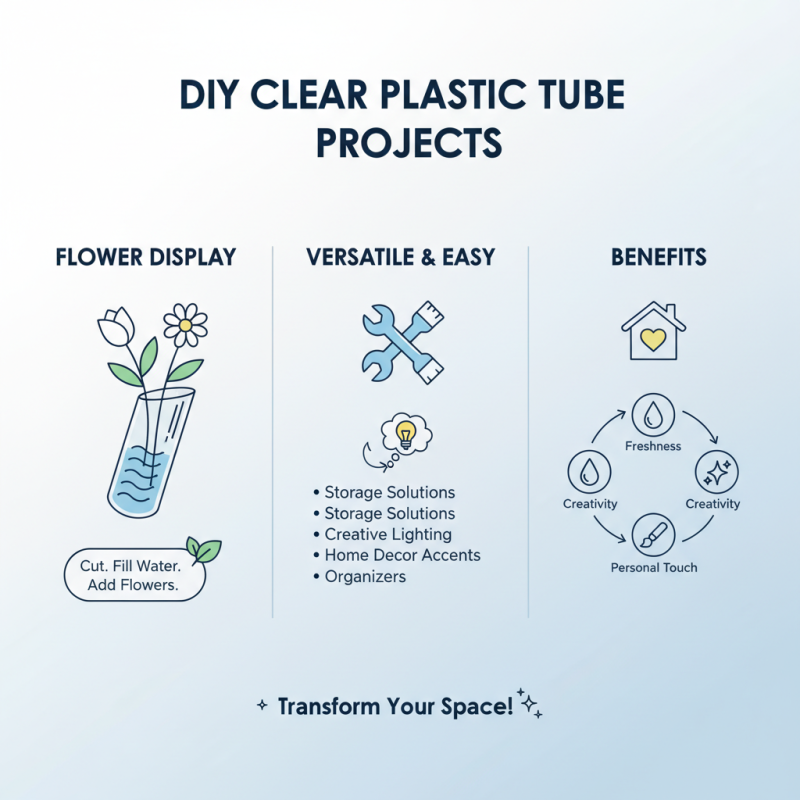
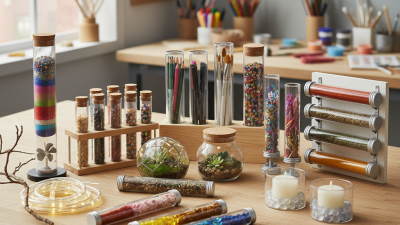
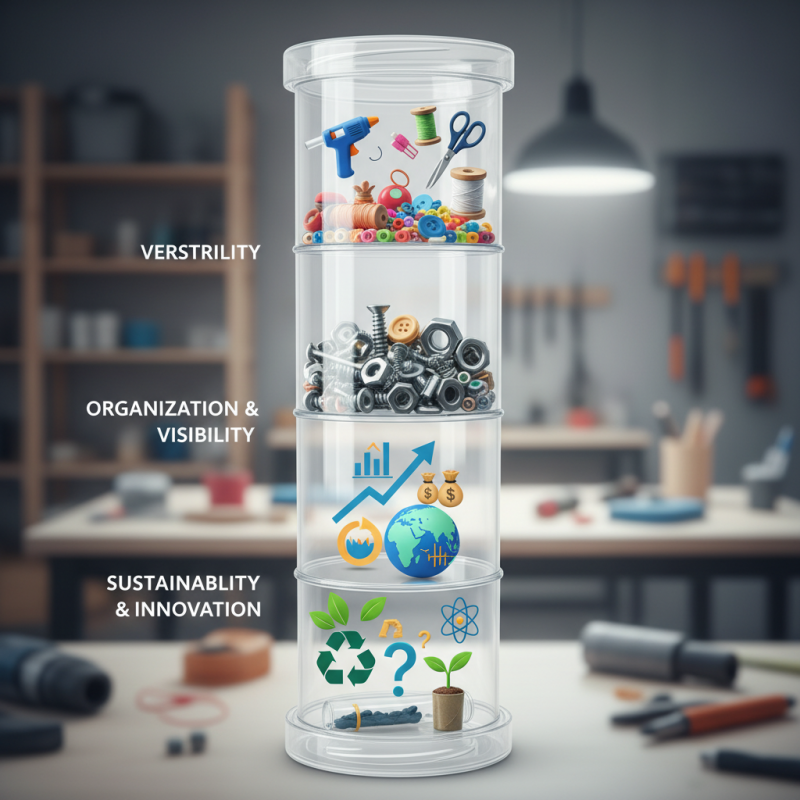
Clear plastic tubes offer incredible versatility for various home and DIY projects. From organizing small items to creating unique home decor, the possibilities are endless. These tubes are lightweight and transparent, making it easy to see what’s inside. For example, you can use them to store craft supplies, like beads or embroidery threads. It saves time searching for materials.
When starting a project, it can be tempting to get a bit too ambitious. However, sometimes simple ideas prove the most effective. Imagine using clear tubes to make a creative centerpiece for a table. Fill them with colored sand or decorative pebbles. You could even mix in some dried flowers. This layered effect adds a touch of elegance to any space. Yet, not every attempt will turn out as expected. It takes practice to balance aesthetics with practicality.
Another intriguing use is for kids' experiments. Clear tubes can demonstrate basic principles of science, like gravity or buoyancy. Kids enjoy watching objects fall or float. Yet, finding the right objects can be trial and error. Some items work perfectly; others may not yield the expected results. It’s all part of the learning process. Embrace these moments, and you might discover new insights along the way.
Selecting the Right Size and Type of Clear Plastic Tube for Your Project
When working with clear plastic tubes, selecting the right size is crucial. Measure the diameter and length you need. Consider the project's purpose. Will it hold liquids or be used for structural support? Think about the weight it needs to carry. If it's for a DIY project, a smaller diameter may suffice. But larger tubes offer more strength.
Tips: Always test the tube with the materials it will hold. Sometimes stress tests reveal weaknesses. If you need flexibility, choose a tube that bends easily without breaking.
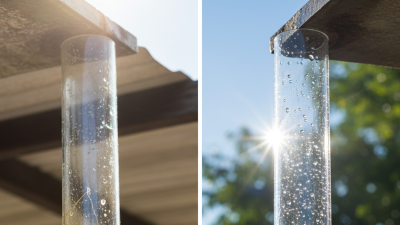
The type of plastic matters too. Some offer better clarity than others. If aesthetics are key, opt for high-clarity tubes. Check for UV protection. If your project involves sunlight, look for options that resist fading.
Tips: Not all plastics are suitable for every task. Research how different plastics react to heat or chemicals. A tube may start strong but can crack under pressure. This is often overlooked. Don’t ignore these details; they can make or break your project.
How to Use Clear Plastic Tube for Home and DIY Projects?
| Project Type |
Recommended Diameter (inches) |
Length Options (feet) |
Material Type |
Best Use Cases |
| Aquarium Decoration |
0.5 to 1 |
1 to 6 |
PVC |
Creating pathways for fish |
| Craft Projects |
0.75 to 2 |
2 to 10 |
Acrylic |
Making decorative items |
| Home Storage |
1 to 3 |
1 to 5 |
Polyethylene |
Storing small items |
| Gardening |
0.5 to 2.5 |
3 to 12 |
Transparent PVC |
Hydroponic setups |
| Educational Models |
1 to 3 |
2 to 8 |
PET |
Science projects |
Techniques for Cutting and Shaping Clear Plastic Tubes
Cutting and shaping clear plastic tubes can be incredibly versatile for various home and DIY projects. To start, gather essential tools. A sharp utility knife or a fine-tooth saw works well. Make sure to measure the length you need accurately. Using a measuring tape can save you from mistakes later. Mark the tube lightly with a marker for precision.
When cutting, ensure you have a stable surface. A cutting mat can protect the tabletop and provide an even base. Press down firmly, and don’t rush the process. If the cut isn’t clean, consider sanding the edges lightly. This creates a smooth finish, making it safer to work with.
Shaping the tubes is another exciting step. You might want to bend the tube or connect multiple segments. For bending, use a heat source like a heat gun. Heat the section you want to bend until it’s pliable. Be cautious not to overheat, which could ruin the shape. Connecting tubes requires appropriate fittings. However, if the fit isn’t snug, applying a bit of adhesive adds stability. Always test your connections gently to ensure they hold. Each project offers new lessons and opportunities for reflection. What worked? What didn’t? Embrace the journey.
Usage of Clear Plastic Tubes in Home and DIY Projects
Tips for Sealing and Joining Plastic Tubes Effectively
Sealing and joining clear plastic tubes can be tricky. You need to choose the right method based on your project. If you want a water-tight connection, adhesive options may work well. Epoxy or silicone sealants create a strong bond. However, these can get messy. Be prepared for some trial and error.
For a cleaner look, consider using heat shrink tubing. It requires a heat source, like a heat gun. This method can be effective for smaller diameter tubes. Make sure the heat is evenly applied to avoid burns. But, the fitting may not hold under heavy strain.
You might find that your tubes don’t fit perfectly every time. It could be due to variations in diameter. In such cases, using a coupling can help. Measure both ends accurately before joining. Consider reinforcing the joint with additional adhesive for durability. Practice is key to getting a reliable seal.