Top Uses of Flexible Plastic Tubing in Everyday Applications?
In today's world, flexible plastic tubing is a vital component in numerous applications. From simple home plumbing to intricate medical devices, this versatile material plays a crucial role. According to industry expert Dr. Sarah Thompson, "Flexible plastic tubing has transformed how we approach various engineering challenges." Her insight underscores the importance of this innovation.
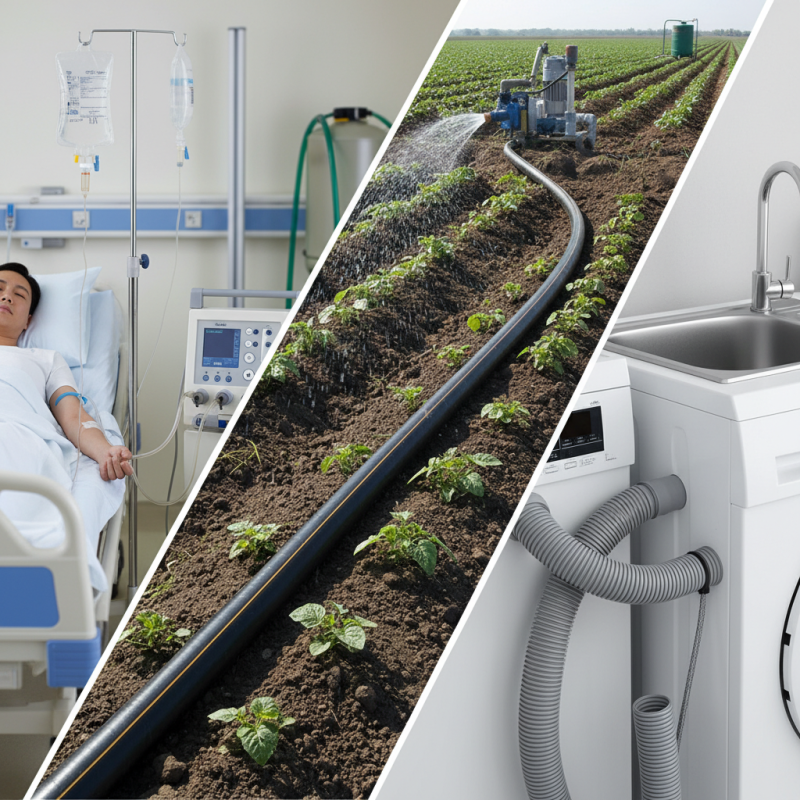
One of the most common uses of flexible plastic tubing is in the medical field. Hospitals rely on it for IV lines and fluid delivery systems. These tubes can maintain patient safety while efficiently delivering necessary fluids. Flexible plastic tubing is lightweight and easy to manipulate. However, choosing the right type can sometimes be challenging.
In addition to healthcare, flexible plastic tubing is popular in agriculture. Farmers use it for irrigation and chemical delivery. It withstands environmental factors, ensuring durability. Still, some users may overlook proper maintenance, which is crucial for longevity. From homes to farms, understanding how to utilize flexible plastic tubing can lead to better outcomes. Reflecting on its extensive uses could inspire more innovations in the future.
Understanding Flexible Plastic Tubing: Definition and Composition
Flexible plastic tubing is a versatile material used in various applications. Defined as a durable and pliable tube, it is often made from polymers such as PVC or polyethylene. These materials provide excellent chemical resistance and flexibility, making them suitable for a range of environments. In fact, reports indicate that the flexible plastic tubing market is expected to reach USD 7 billion by 2026, emphasizing its growing importance.
One key benefit of flexible plastic tubing is its ability to withstand temperature fluctuations. In laboratories, for example, it maintains integrity despite harsh conditions. This resilience ensures safety in fluid transfer. However, not all tubing meets the same standards. Variations in composition can affect performance. A study found that 30% of tubing tested did not comply with industry specifications.
Moreover, the lightweight nature of flexible tubing enhances storage and installation. It can be coiled neatly, reducing clutter. Yet, improper handling may lead to kinks, which compromise functionality. It's vital for users to understand the specific requirements of their applications. Selecting the right type of tubing is crucial for effectiveness and reliability. Understanding these nuances can help mitigate risks associated with using inferior products.
Common Household Applications of Flexible Plastic Tubing
Flexible plastic tubing is a versatile solution found in many homes. It serves various purposes that often go unnoticed. For instance, people use it in aquariums to deliver oxygen to fish. The tubing ensures a steady flow of air, maintaining a healthy environment for aquatic life.
In gardens, flexible plastic tubing is a great alternative for watering plants. Homeowners often create drip irrigation systems with it, allowing plants to receive consistent moisture. This can reduce water waste and promote healthier growth. The ease of installation makes it appealing for gardening enthusiasts, even if they struggle with complex systems.
Another common application is in DIY projects. For example, hose replacement in vacuum cleaners uses this material to ensure effective suction. However, many overlook signs of wear and tear in the tubing, which can affect performance. Regularly checking it could save time and frustration while enhancing the effectiveness of household devices.
Industrial Uses of Flexible Plastic Tubing in Manufacturing
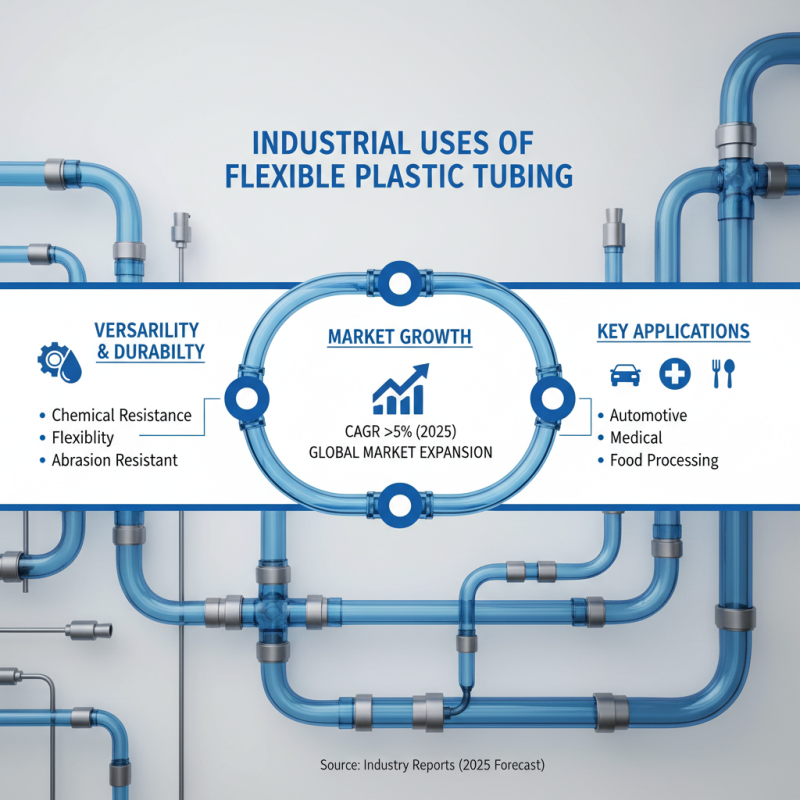
Flexible plastic tubing plays a critical role in manufacturing processes. This type of tubing is valued for its versatility and durability. Data from industry reports highlight that the global market for flexible plastic tubing is expected to grow at a compound annual growth rate (CAGR) of over 5% through 2025. This growth is driven mainly by its applications in various sectors, including automotive, medical, and food processing.
In manufacturing, flexible plastic tubing is widely used for fluid transfer, chemical delivery, and pneumatic applications. It can withstand a range of temperatures and pressures, making it ideal for different environments. According to a recent study, over 70% of manufacturers reported using flexible tubing to improve production efficiency and reduce downtime. However, some companies struggle with the proper selection of tubing material, often leading to premature failures. Choosing the right specifications is essential to avoid costly replacements.
Moreover, the ability to customize the tubing dimensions is a significant benefit, but it also presents challenges. Manufacturers must balance between the need for specific applications and the potential waste of materials. Continuous evaluation of performance and sustainability is crucial. Ensuring the tubing meets the required certifications can further increase reliability in production lines, an aspect often overlooked by manufacturers.
Medical Field Applications: How Flexible Plastic Tubing is Utilized
Flexible plastic tubing plays a vital role in the medical field. It is commonly used for blood transfusions, IV drips, and the delivery of vital medications. The tubing's flexibility allows it to navigate through complex pathways in the body, ensuring that fluids reach their intended destination. In surgery, these tubes assist in draining fluids or delivering anesthetics safely.
Tips for using flexible plastic tubing in medical applications include checking for kinks. These can obstruct fluid flow. Always inspect the tubing for any signs of wear or damage before use. Proper sterilization is crucial to prevent infections. Make sure to label each tube to avoid confusion, especially in high-pressure situations.
While flexible tubing offers many benefits, it is essential to be aware of its limitations. Mismanagement can lead to complications like leaks or blockages. Improper storage may degrade the material, leading to failure during crucial moments. Regular training on the proper handling of these tubes can mitigate potential risks. In an ever-evolving medical landscape, staying informed about best practices is key to patient safety.
Advantages of Using Flexible Plastic Tubing Over Rigid Alternatives
Flexible plastic tubing is increasingly favored in various applications due to its numerous advantages over rigid options. One major benefit is its ability to bend and reshape easily, making it ideal for complex installations. This adaptability allows for improved space utilization in crowded environments. A simple twist or turn can redirect the tubing without the need for additional connectors or joints, reducing assembly time.
Another advantage is the tubing's resistance to corrosion and wear. Unlike metal pipes, flexible plastic tubing does not succumb to rust or deterioration over time. This longevity ensures that the material maintains its integrity in different conditions. Users often find it more reliable in both indoor and outdoor settings.
However, flexibility can also lead to some challenges. If not secured properly, the tubing might sag or kink, affecting the flow. Users should carefully consider how to support installations to prevent these issues. Overall, while flexible plastic tubing offers clear benefits, attention to detail during installation is crucial to ensure optimal performance.