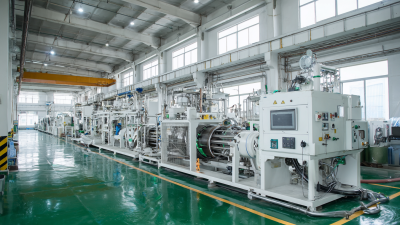
Top Plastic Extrusion Manufacturers for Global Buyers
Choosing among the top plastic extrusion manufacturers requires more than comparing catalog prices. Global buyers need evidence of stable production, accurate dimensions, responsive support, and dependable delivery. A polished website is useful, but it cannot replace factory audits, sample testing, and clear technical records.
Dr. Tim Osswald, a recognized polymer-processing expert, captures this practical concern: “Good processing turns material capability into product consistency.” His observation matters when evaluating profiles, pipes, films, sheets, and custom components. A capable manufacturer should explain resin selection, melt-temperature control, die design, cooling methods, and quality inspection without hiding behind vague promises.
This guide examines manufacturers through those real production details. It considers extrusion capacity, tooling expertise, automation, material compatibility, and experience with international specifications. Certifications can help, but they are only one part of the picture. Buyers should also review dimensional reports, batch traceability, packaging methods, and after-sales communication.
Small details matter.
A profile may look correct during sampling, then warp after cooling. A shipment may leave on time, yet arrive with damaged corners. These problems reveal gaps between sales claims and operational discipline. No ranking is perfect, either. A supplier ideal for medical tubing may not suit heavy-duty construction profiles.
The companies discussed here represent different strengths and limitations. Readers should compare them against project requirements, target markets, and expected volumes. Careful questions often uncover more than impressive brochures. Reliable plastic extrusion begins with transparent communication, controlled processing, and the willingness to verify every important claim.

What Defines a Top Plastic Extrusion Manufacturer
A top plastic extrusion manufacturer is defined by repeatable evidence, not polished claims. PlasticsEurope’s Plastics—The Fast Facts 2024 reports global plastics production reached 413.8 million tonnes in 2023. That scale increases pressure on every production line. A reliable manufacturer controls melt temperature, screw speed, cooling, and haul-off tension. It records each setting. It investigates deviations instead of hiding them. ISO certification helps, but certification alone does not prove practical capability.
Operational strength appears in small details: calibrated gauges, documented resin batches, inline measurement, and retained samples. The OECD’s Global Plastics Outlook reports that global plastic waste reached 353 million tonnes in 2019, while only 9% was recycled. A top supplier should therefore validate recycled content, reduce start-up scrap, and explain its material limits clearly. No factory gets every run perfect. That is why transparent corrective-action records matter more than perfect promises. Customers should also review testing methods, production capacity, lead-time history, and export packaging before signing.
Tips: Request a recent sample report, process-control chart, and traceability example. Ask how the team handles thickness variation or surface defects. Visit the line if possible. Look closely at housekeeping, testing equipment, and operator decisions. The best answer may be an honest limitation, not an impressive sales phrase.
Key Plastic Extrusion Products and Manufacturing Technologies
Top Plastic Extrusion Manufacturers for Global Buyers
Plastic extrusion covers pipes, profiles, sheets, films, tubing, and insulation products. Each product needs a different die, cooling method, and material control strategy.
Single-screw lines often process stable thermoplastics efficiently.
Twin-screw systems support compounding, color dispersion, and recycled material blending.
Co-extrusion can combine layers with different functions, such as strength, barrier protection, and surface appearance.
Experienced manufacturers monitor melt temperature, pressure, line speed, and dimensional stability throughout production. Small changes can affect wall thickness.
Tips: Ask for trial samples, not only catalog photos. Check resin compatibility, tolerance data, and production speed. Request test records for tensile strength, impact resistance, and surface quality. A useful supplier should explain limitations clearly.
Modern lines may include automatic gravimetric feeding, vacuum calibration, infrared heating, and online laser measurement. These technologies reduce variation, but they do not remove every risk.
Poor drying can create bubbles.
Uneven cooling may cause warping.
Recycled content can also change color, viscosity, and long-term performance.
No line is perfect. Buyers should review maintenance routines, operator training, mold-change procedures, and quality-control records before placing large orders. Factory audits and independent testing add confidence, especially for products used in construction, packaging, or fluid handling. Specifications sometimes look complete, yet practical trials reveal missing details.
How to Assess Quality, Capacity, and Technical Expertise
Selecting a plastic extrusion manufacturer requires more than checking equipment photos. Capacity must match your real demand, not an optimistic sales forecast. PlasticsEurope reported 413.8 million tonnes of global plastics production in 2023. That scale increases pressure on suppliers to prove stable output and material control.
Request production records from comparable lines. Review hourly throughput, scrap rates, changeover time, and delivery performance. A credible supplier should explain how output changes with resin grade, profile design, and cooling conditions. Ask for sample runs under your specifications. Inspect dimensions, surface finish, color consistency, and weld strength. Small deviations matter.
Quality evidence should be traceable. Look for documented calibration, incoming-material checks, process alarms, and batch identification. An ISO 9001 certificate helps, but it does not guarantee excellent extrusion. I would still audit the plant. A polished factory tour can mislead. The 2022 OECD Global Plastics Outlook projects plastic waste could nearly triple by 2060, making recycled-content control increasingly important. Ask how recycled resin is tested, blended, and recorded.
Technical expertise appears in the questions a supplier asks. Skilled engineers examine die design, melt temperature, residence time, and cooling balance before quoting. They should also discuss preventive maintenance and troubleshooting response times. Request references for similar products, but verify them independently. Capacity on paper is not capacity under pressure.
Global Standards, Certifications, and Compliance Requirements
For global buyers, plastic extrusion quality starts with documented compliance, not attractive samples. A capable manufacturer should explain its quality system, raw-material controls, calibration records, and batch traceability. ISO 9001 certification supports consistent process control, while ISO 14001 indicates a structured approach to environmental management. These certificates matter, but they are not automatic proof of product conformity. Scope and expiry dates require careful checking.
Material selection also depends on the destination market and application. Food-contact profiles may require migration testing and declarations under applicable regional rules. Electrical components can require substance restrictions and technical files. Buyers should request resin certificates, test reports, safety data, and a clear change-control procedure. A small change in stabilizer or colorant can affect flame performance, odor, and dimensional stability. It happens.
Environmental data deserves equal attention. The OECD’s Global Plastics Outlook reported that global plastic production reached 460 million tonnes in 2019, while only 9% of plastic waste was recycled. Therefore, buyers increasingly assess recycled content, energy use, scrap rates, and end-of-life claims. Product carbon footprints should state boundaries and calculation methods. Independent verification improves credibility. Still, even a strong audit can miss poor shop-floor habits. Factory visits, sample testing, and periodic supplier reviews remain useful. Compliance is an ongoing discipline, not a certificate kept in a folder.
Global Standards Commonly Referenced by Plastic Extrusion Buyers
Reference edition years for widely requested management, environmental, occupational safety, energy, medical, automotive, and food-safety standards.
Buyers should confirm the applicable certification scope, certificate validity, audit status, material traceability, product testing, and regulatory requirements for the destination market. Edition years shown are reference editions commonly used in supplier qualification; certification requirements should be verified with the relevant standards organization.
Shipping, Pricing, and Supplier Selection for International Buyers
Top Plastic Extrusion Manufacturers for Global Buyers
Shipping, Pricing, and Supplier Selection for International Buyers
International buyers should evaluate plastic extrusion suppliers beyond unit price. The 2023 UNCTAD Review of Maritime Transport states that ships carry over 80% of global merchandise trade by volume. This makes port access, container planning, and export documentation important cost factors. Ask suppliers for Incoterms, production lead time, pallet dimensions, and loading photos. A clear packing list prevents delays at customs and reduces unexpected storage charges.
Pricing needs a complete landed-cost calculation.
Include resin grade, tooling, energy surcharges, inland transport, insurance, duties, and currency movement. Request a quotation with validity dates and volume tiers. The World Bank’s 2023 Logistics Performance Index evaluates 139 economies across customs, infrastructure, logistics competence, and timeliness. Use these indicators when comparing production locations. A cheaper factory may create higher costs if delivery performance is weak. I have seen buyers focus too narrowly on price. That choice often ages badly.
Tips:
Order samples before signing a large contract. Check thickness tolerance, surface finish, and dimensional stability. Request recent test records and a corrective-action process. Confirm whether the supplier can reserve resin and tooling capacity during peak seasons. Do not rely on polished photos alone. A video factory tour helps, but an independent inspection is stronger. Allow a small schedule buffer; perfect shipping forecasts are rare. Recheck freight assumptions before approving the purchase order.
Related Posts
-
Understanding the Latest Innovations in Plastic Extruder Technology for Efficient Production
-
Top 10 Best Plastic Extruders for High Quality Production?
-
What is a Plastic Extruder and How Does it Work in Manufacturing Processes
-
Top 10 Best Plastic Extruders for Efficient Manufacturing Solutions?
-
What is a Plastic Extruder and How Does it Work?
-
Why Is a Plastic Extruder Essential for Modern Manufacturing?