Top 10 Benefits of PVC Extrusions for Your Business Needs?
In today's competitive market, businesses continuously seek efficient and cost-effective materials. PVC extrusions present a promising solution for various industries. These versatile products offer numerous advantages that can enhance operations. They are lightweight, durable, and resistant to various environmental factors.
The use of PVC extrusions can significantly reduce manufacturing costs. This material often requires less energy to produce. Additionally, its long lifespan contributes to lower long-term expenses. Companies can also benefit from custom designs tailored to specific needs. However, the focus should also be on the environmental impact. While PVC can be recycled, not all facilities offer such services.
Exploring the benefits of PVC extrusions might reveal new opportunities. Businesses that embrace this material can improve efficiency and sustainability. Yet, it's essential to remain critical of the choices made. Balancing quality and environmental considerations is key for long-term success.
Benefits of PVC Extrusions in Cost Reduction for Manufacturing Industries
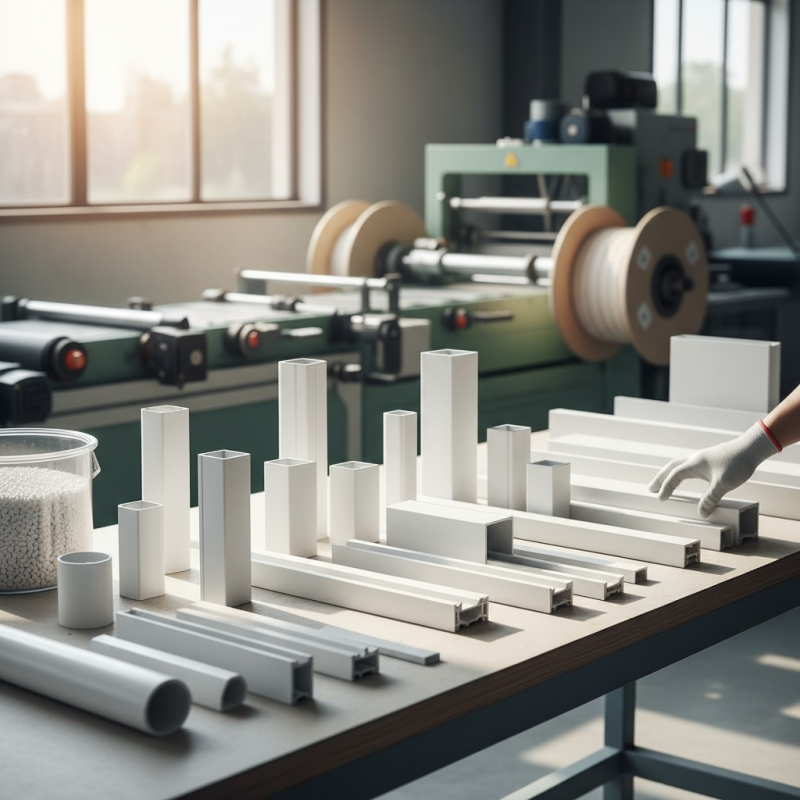
PVC extrusions offer significant advantages for manufacturing sectors. One of the most pressing benefits is cost reduction. According to a report by the Freedonia Group, using PVC can lower production costs by up to 30% compared to traditional materials. This shift allows businesses to allocate resources more efficiently. Raw materials are often cheaper, and the durability of PVC leads to lower maintenance costs. This is crucial for competitive industries.
Efficiency plays a huge role in cost savings. PVC extrusions can be precisely shaped, reducing material wastage. A study by MarketsandMarkets indicates that companies using precise extrusion methods minimize scrap material by approximately 15%. Such optimization not only curbs expenses but also enhances production speed. However, some businesses may find the transition challenging due to initial setup costs or training needs. Understanding these nuances is vital.
Furthermore, speculative studies suggest that PVC processes can cut labor costs over time. For example, automated machinery tailored for PVC can increase output. However, initial investments in such technologies can create hesitance. The balance between cost savings and upfront expenses requires careful consideration. It’s essential to analyze long-term benefits against short-term challenges.
Enhanced Durability: Comparing PVC with Other Materials in Extrusion Applications
PVC has emerged as a leading choice in various extrusion applications due to its impressive durability. In industries ranging from construction to automotive, PVC's resilience offers significant advantages over other materials like wood and aluminum. Reports show that PVC can endure extreme weather conditions, showing little to no degradation over time. Unlike wood, which can warp or rot, PVC maintains its shape and strength even when exposed to moisture.
Consider the lifespan of PVC products. Studies indicate that PVC materials can last upwards of 30 years without serious wear. In contrast, aluminum often succumbs to corrosion if not properly treated. The maintenance costs associated with such materials can add up quickly, whereas PVC typically requires less upkeep. Its resistance to chemicals further enhances its suitability in a variety of environments.
However, it is crucial to reflect on the environmental impact of PVC production. The industry faces scrutiny over the sustainability of raw materials and manufacturing processes. While PVC may outperform in durability, the question of eco-friendliness remains. Companies must balance the benefits of using PVC with environmental considerations. Focusing solely on durability can overlook critical factors that also affect business and reputation.
Top 10 Benefits of PVC Extrusions for Your Business Needs
| Benefit | Description | Comparison to Other Materials |
|---|---|---|
| Enhanced Durability | PVC extrusions are highly resistant to impact and weather, making them last longer in various conditions. | Unlike wood or other plastics, PVC maintains integrity in adverse climates. |
| Cost-Effectiveness | PVC extrusions provide a lower cost per unit compared to metals or wood. | Metal is often more expensive in terms of material and processing costs. |
| Lightweight | PVC is much lighter than metals and wood, facilitating easier installation and transportation. | Heavy materials like steel increase shipping and handling costs. |
| Versatility | PVC can be extruded into various shapes and sizes, suitable for different applications. | Other materials may require more complex manufacturing processes. |
| Chemical Resistance | PVC resists a wide range of chemicals, making it ideal for industrial applications. | Wood and some plastics may degrade when exposed to certain chemicals. |
| Low Maintenance | PVC requires minimal maintenance over its lifetime. | Natural materials like wood need regular weatherproofing and painting. |
| Eco-Friendly Options | Recyclable PVC reduces waste and can be repurposed effectively. | Some materials can be difficult to recycle, leading to increased landfill impact. |
| Aesthetic Flexibility | Available in various colors and finishes, PVC can match any design need. | Natural materials often have limited options without stain finishes. |
| Temperature Resistance | PVC maintains its properties over a wide temperature range. | Many plastics and metals can become brittle or deform under extreme heat. |
| Noise Reduction | PVC has sound-dampening properties that reduce noise transfer. | Metal or glass do not provide the same level of sound insulation. |
Customization Options: Meeting Specific Business Needs with PVC Extrusions
PVC extrusions offer a wide range of customization options, catering to specific business needs. This versatility is crucial in industries like construction, automotive, and packaging. According to a report by Grand View Research, the global PVC market is expected to reach $68 billion by 2025, driven by customized applications.
Customization in PVC extrusions allows businesses to create products tailored to their requirements. A manufacturer might need specific dimensions or unique profiles that standard options cannot fulfill. Having the ability to design shapes that fit precise specifications can lead to improved functionality. Plus, custom colors and finishes enhance brand visibility and appeal.
Tip: Consider the end-use of your product when choosing your extrusion. A design that works in one application may not suit another field.
Yet, the process of customization can sometimes be daunting. Each modification may introduce complexity and increase production time. Understanding the balance between customization and efficiency is vital.
Tip: Always communicate clearly with your extrusion partner. This can prevent misunderstandings and ensure the final product meets your expectations.
Ultimately, leveraging the customization options of PVC extrusions can significantly benefit your business. However, it requires careful planning and consideration to avoid potential pitfalls.
Environmental Impact: The Sustainability Advantages of PVC Extrusions
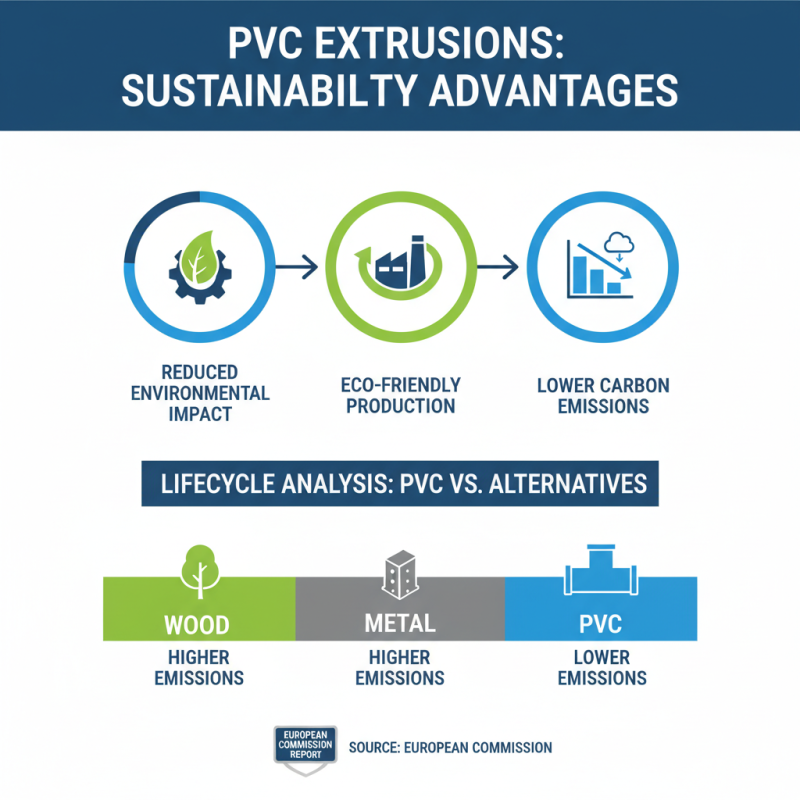
PVC extrusions have gained attention for their sustainability advantages, particularly in reducing environmental impact. The production of PVC can be a complex process, but advancements have made it more eco-friendly. According to a report by the European Commission, the lifecycle analysis of PVC shows that it has lower carbon emissions compared to alternatives like wood or metal.
Using PVC for construction and manufacturing can contribute to energy efficiency. Products made from PVC, such as windows and doors, often have enhanced insulation properties. This translates to lower energy consumption over time. The Global Alliance for PVC Sustainability highlights that PVC's durability reduces waste, since it can last for decades without requiring frequent replacement.
While the initial perception of PVC often leans toward environmental concerns, the reality is shifting. The raw materials required for PVC production are less energy-intensive than those for other materials. However, the recycling rates for PVC remain a challenge. According to industry data, only about 10% of PVC is recycled globally. This highlights a need for improved recycling systems. Businesses must reflect on their practices to adopt more sustainable methods.
Market Trends: The Growth of PVC Extrusions in Various Sectors Leading to Innovation
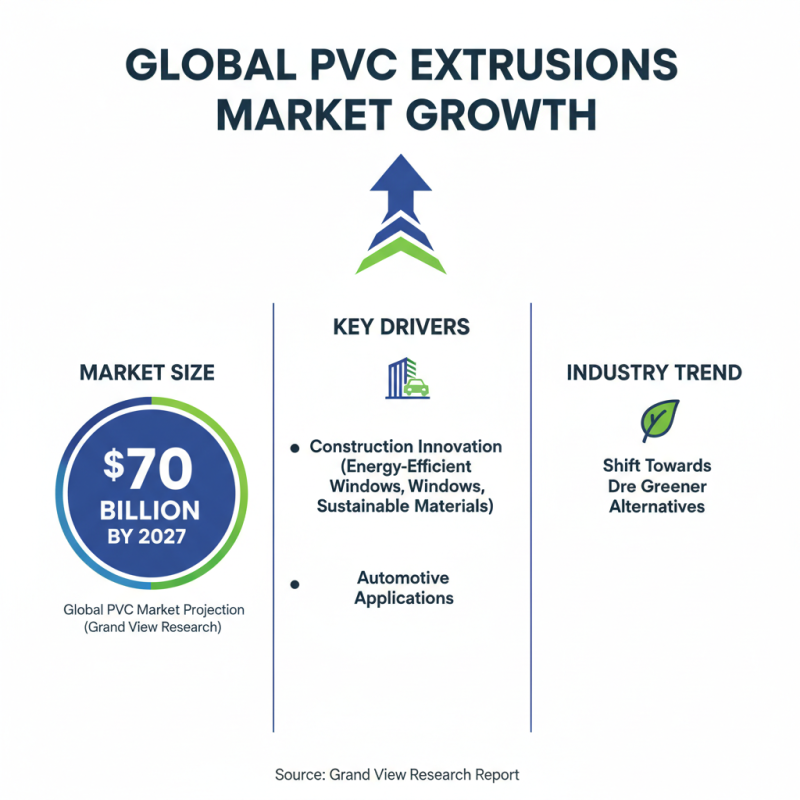
The market for PVC extrusions is experiencing significant growth across various sectors. According to a recent report by Grand View Research, the global PVC market is projected to reach $70 billion by 2027. This surge is driven largely by innovation in construction and automotive applications. For instance, PVC is being increasingly used for energy-efficient windows and sustainable building materials, reflecting a shift towards greener alternatives.
In the automotive sector, lightweight and durable PVC extrusions help in boosting fuel efficiency. Manufacturers are investing in advanced extrusion techniques to improve production speeds and reduce waste. This technological evolution contributes to the sector's overall sustainability goals.
Tips: When considering PVC extrusions, always assess the material's recyclability. Is it sustainable for your project? Understand your market's demands. Tailor your products to meet specific customer needs for better acceptance. Balancing quality and cost is crucial in today’s competitive landscape. These factors influence long-term success. What could be improved? Continuous feedback from consumers is essential. Adapt and innovate based on real-world data.
Related Posts
-
Understanding the Role of PVC Extrusions in Sustainable Building Designs
-
How to Choose the Right PVC Extrusions for Your Project?
-
Top 5 Benefits of PVC Extrusions for Modern Construction and Design
-
How to Choose the Right PVC Extrusion Profiles for Your Project
-
2026 Best Acrylic Tube Uses and Benefits for Your Projects?
-
What is a Plastic Extruder and How Does it Work?