Top 10 Best Plastic Extruders for Efficient Manufacturing Solutions?
In the fast-paced world of manufacturing, the role of a plastic extruder cannot be overstated. Experts in the field, like Dr. Emily Johnson, highlight its significance: "The efficiency of a production line often hinges on the quality of the plastic extruder." This statement captures the essence of why selecting the right extruder is crucial for manufacturers.
Plastic extruders come in various designs and capabilities, each serving specific processing needs. Choosing the best extruder involves examining the application and materials used. A suitable extruder can lead to improved product quality and reduced waste in production. However, not all manufacturers invest time in this critical decision, resulting in operational inefficiencies.
Therefore, our exploration of the top 10 best plastic extruders aims to guide manufacturers. By focusing on performance, cost, and specific features, we strive to provide insights that can refine production processes. Despite the available options, many manufacturers face challenges in identifying the most effective solutions. The journey to find the right plastic extruder requires careful consideration and critical reflection on existing practices.
Top Factors to Consider When Selecting a Plastic Extruder
When selecting a plastic extruder, several factors play a crucial role in ensuring efficiency and cost-effectiveness. One key aspect to consider is the machine's throughput. According to industry data, an extruder with a higher throughput can lead to a 20-30% increase in production capacity. Operators should also assess the screw design. A well-designed screw improves melt quality and reduces energy consumption.
Material compatibility is another factor not to overlook. Different plastics require specific temperatures and processing conditions. For example, extrusion of polyethylene demands different settings than polypropylene. Ensuring your extruder can handle multiple materials can enhance versatility in production, yet not all machines excel in this area.
Maintenance requirements are often underestimated. Regular upkeep can directly influence the extruder's lifespan. Research indicates that timely maintenance can extend equipment life by up to 40%. It's important to evaluate the support and service options offered. It’s a good idea to consider how easy it is to get replacement parts. This factor can affect downtime, which ultimately impacts productivity.
Overview of Leading Plastic Extruders in the Market
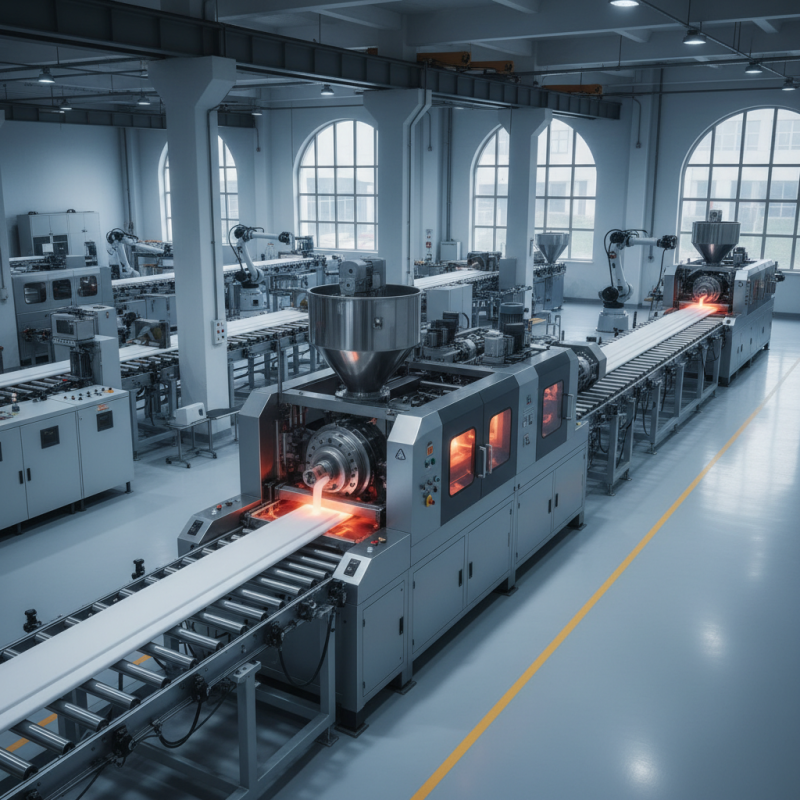
When exploring the landscape of plastic extruders, several models stand out for their efficiency and versatility. These machines transform raw plastic into useful products through melting and shaping. A key characteristic to look for is the barrel design. The right design enhances material flow and temperature control.
The functionality often depends on the feed system used. Some extruders feature single-screw designs, while others utilize twin-screw systems. Twin-screw models can be more efficient for compounding materials. However, they may also present challenges during maintenance. Different extruders have their unique strengths and limitations, which require careful consideration.
Efficiency doesn't only stem from design. It also involves the automation level and control systems. Advanced machines offer smart technology, yet often demand higher investment. Striking the right balance between cost and performance is crucial. Manufacturers should weigh the long-term benefits against initial expenditures to find suitable solutions.
Key Performance Metrics in Plastic Extrusion Processes
When considering plastic extrusion, key performance metrics are vital for efficient manufacturing. These metrics include melt temperature, viscosity, and output rate. Each factor plays a role in the quality of the final product. For instance, too high a melt temperature can degrade materials. Lower temperatures might lead to poor flow and defects.
Tips: Monitor melt temperatures regularly. Ensure they align with material specifications. This helps avoid issues in the extrusion process.
Viscosity is another important metric. It indicates how easily the material flows through the extruder. A high viscosity can slow down production rates. Conversely, too low can cause problems with shaping.
Tips: Regularly test viscosity levels. Adjust formulations as needed to maintain consistency. A small tweak can yield significant results.
Output rate affects the overall efficiency of production. Aim for a balance between quality and speed. Too fast means sacrificing product integrity. Always assess final products for any inconsistencies. This will help refine future extrusion processes.
Top 10 Best Plastic Extruders for Efficient Manufacturing Solutions
| Extruder Type |
Max Output (kg/h) |
Power Consumption (kW) |
Temperature Range (°C) |
Screw Diameter (mm) |
Material Compatibility |
| Single Screw Extruder |
100 |
25 |
180 - 220 |
60 |
Polyethylene, Polypropylene |
| Twin Screw Extruder |
200 |
35 |
150 - 240 |
70 |
PVC, Polystyrene |
| Vertical Extruder |
50 |
20 |
180 - 200 |
40 |
PET, Nylon |
| Sheet Extruder |
150 |
30 |
160 - 220 |
65 |
Acrylic, Polycarbonate |
| Film Extruder |
120 |
28 |
190 - 240 |
55 |
LLDPE, HDPE |
| Compounding Extruder |
180 |
32 |
160 - 230 |
75 |
TPU, TPE |
| Co-Extruder |
90 |
22 |
175 - 210 |
50 |
Polymer Blends |
| Blown Film Extruder |
140 |
26 |
180 - 230 |
60 |
LDPE, LLDPE |
| Injection Extruder |
110 |
24 |
200 - 250 |
65 |
ABS, PS |
| Pet Food Extruder |
130 |
27 |
150 - 220 |
55 |
Grains, Meat Meal |
Sustainability Trends in Manufacturing with Plastic Extruders
The shift towards sustainability is reshaping the manufacturing sector. Plastic extruders play a crucial role in this transformation. According to industry reports, around 63% of manufacturers are prioritizing sustainable practices. This includes utilizing recycled materials in extrusion processes. The demand for eco-friendly solutions is growing rapidly.
Many facilities now incorporate advanced recycling technologies. These systems can turn waste materials back into usable products. Extrusion operations need to adapt. The use of bioplastics is also increasing. In 2022, the bioplastics market reached a value of $3 billion and is projected to grow. However, the challenge remains. Not all manufacturers have access to sustainable materials or technologies.
Sustainability isn't just about using green materials. It also involves energy efficiency in production. Extrusion processes can be energy-intensive. Reports indicate that energy consumption can account for up to 20% of production costs. Manufacturers must seek ways to reduce energy use. Regular assessments of equipment efficiency can reveal areas for improvement. Embracing these shifts is essential for the future of plastic manufacturing.