What is PVC Extrusions and How Can They Benefit Your Business?
In the competitive landscape of manufacturing, understanding PVC extrusions can be a game changer. PVC extrusions are versatile plastic products, essential in various industries, including construction and automotive. A recent market report from Grand View Research highlights that the global PVC extrusion market is expected to grow at a CAGR of 4.7% through 2028. This growth indicates the increasing reliance on PVC materials in everyday applications.
Experts like Dr. Emily Roberts, a leading material scientist, emphasize, "The longevity and adaptability of PVC extrusions make them invaluable in modern manufacturing." Businesses are increasingly adopting PVC extrusions for their lightweight yet durable qualities. They offer benefits like cost-effectiveness and customization. However, challenges exist, such as the environmental impact of plastic production, which necessitates careful consideration.
Companies must weigh these benefits against potential drawbacks. Efficient use of PVC can enhance product lifespan, but addressing sustainability is crucial. As the industry evolves, businesses that embrace innovative approaches to PVC will stand out. Understanding the true potential of PVC extrusions is vital for staying competitive in today’s market.
What are PVC Extrusions and Their Characteristics?
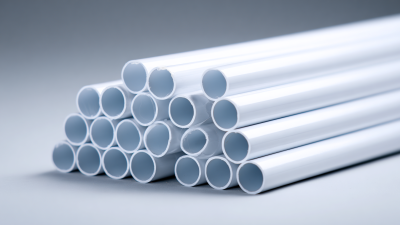
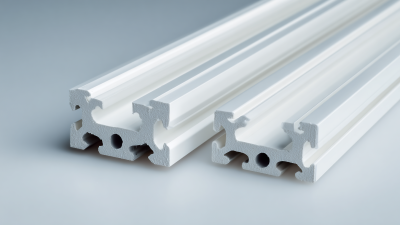
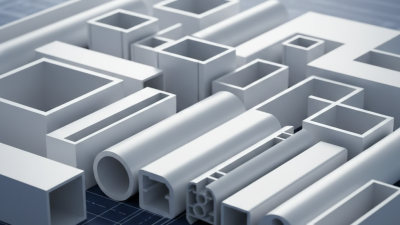
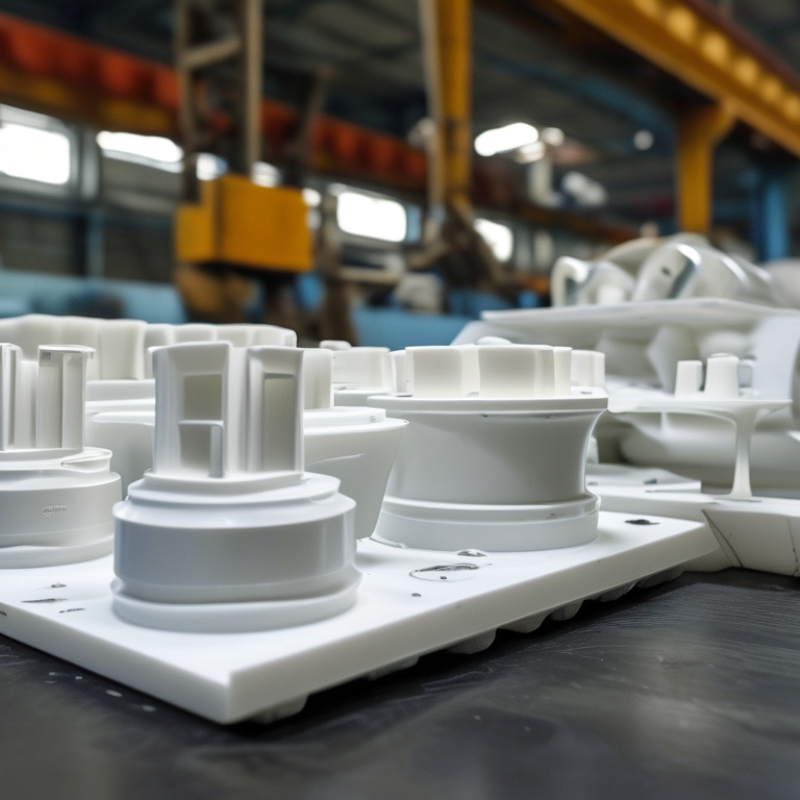
PVC extrusions are versatile products formed through the process of melting PVC resin and shaping it into various profiles. Their characteristics include durability, lightweight nature, and resistance to moisture and chemicals. These traits make PVC extrusions suitable for a range of industries, from construction to automotive applications. Reports indicate that the global PVC market is projected to reach $70 billion by 2025, reflecting the growing demand for efficient materials.
The process of extrusion allows for customization, enabling manufacturers to create specific shapes tailored to their needs. This adaptability can lead to more efficient assembly processes and reduce waste. Studies show that companies adopting PVC extrusions often experience a 20% reduction in production costs. This highlights the material's capacity to not only enhance product performance but also optimize operational efficiency.
Despite their many advantages, reliance on PVC requires careful consideration of environmental impacts. The production and disposal of PVC raise concerns about sustainability. Firms need to balance the benefits with the importance of eco-friendly practices. Additional research on recycling options could further improve the industry's impact.
The Manufacturing Process of PVC Extrusions Explained
PVC extrusions are a key manufacturing process in various industries. The production begins with heated PVC pellets, which are fed into an extruder. The extruder uses a rotating screw that melts and pushes the material through a shaped die. This creates a continuous profile of PVC that can be cut to any desired length.
As the material cools, it retains its shape. This precise method allows for a variety of complex designs. Different additives can enhance properties like flexibility and durability. However, maintaining proper temperatures and flow rates is critical to avoid defects.
Many businesses leverage PVC extrusions for their versatility and cost-effectiveness. They can replace more expensive materials, offering significant savings. However, reliance on PVC can raise sustainability concerns. Understanding these dynamics is crucial for informed decision-making.
Applications of PVC Extrusions in Various Industries
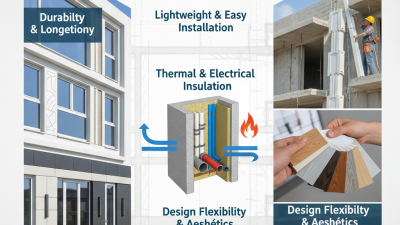
PVC extrusions are versatile and widely used in various industries. In construction, they serve as window frames, door profiles, and piping systems. Their resistance to moisture and chemicals makes them ideal for these applications. In the automotive sector, PVC extrusions are used for interior trims and seals, providing both functionality and aesthetic appeal.
The packaging industry also benefits from PVC extrusions. They create durable and transparent packaging solutions that keep products visible while protecting them from the environment. In healthcare, PVC's biocompatibility allows its use in medical devices and tubing. This contributes to safer, more effective healthcare solutions.
While PVC extrusions offer many advantages, they also present challenges. Recycling can be complicated, and not all facilities accept PVC materials. Manufacturers must consider these factors during production and disposal. Reflecting on these aspects can help businesses make more informed choices about material usage and sustainability.
Advantages of Using PVC Extrusions for Your Business
PVC extrusions are becoming increasingly popular in various industries. One major advantage is their versatility. PVC can be molded into countless shapes and sizes, tailored to specific applications. This flexibility allows businesses to design unique products that meet customer needs effectively.
Another benefit of PVC extrusions is their durability. According to a report by Freedonia Group, the global demand for plastic extrusions, including PVC, is expected to reach 39 billion pounds by 2024. PVC is resistant to moisture, chemicals, and UV light. This resistance means that products made from PVC have a longer lifespan, reducing replacement costs for businesses.
Cost-effectiveness is another notable advantage. PVC extrusions often require less energy to produce compared to metal or wood alternatives. A study from Allied Market Research indicates that the PVC market is projected to grow at a CAGR of 5.6% by 2027. Using PVC can help reduce operational costs while maintaining quality standards. However, it is essential to consider the environmental impact of PVC production and find ways to minimize waste.
Cost-Effectiveness and Sustainability of PVC Extrusions
PVC extrusions are an increasingly popular choice for businesses looking to enhance efficiency and sustainability. This plastic material offers significant cost benefits. PVC can be produced at lower costs than many alternatives. The low energy requirements in manufacturing also lead to reduced operational expenses. This makes PVC a smart choice for companies aiming to maintain a budget while offering high-quality products.
Sustainability is another critical aspect of PVC extrusions. This material is recyclable and can be reused multiple times. Its longevity also means fewer resources are needed for replacements. However, it’s essential to evaluate the entire lifecycle of PVC. Some businesses may still have concerns about additives used in production. Transparency in sourcing and production processes can help address these issues.
Choosing PVC extrusions does come with trade-offs. While the initial savings may be evident, companies must assess their long-term impact. Balancing cost-effectiveness with ecological responsibility is vital. Businesses should consider their specific needs and the environmental implications of their choices. Engagement with sustainability experts can strengthen these assessments. A careful approach will help identify the best possible use of PVC in your operations.