What is a Plexiglass Tube and What are its Uses?
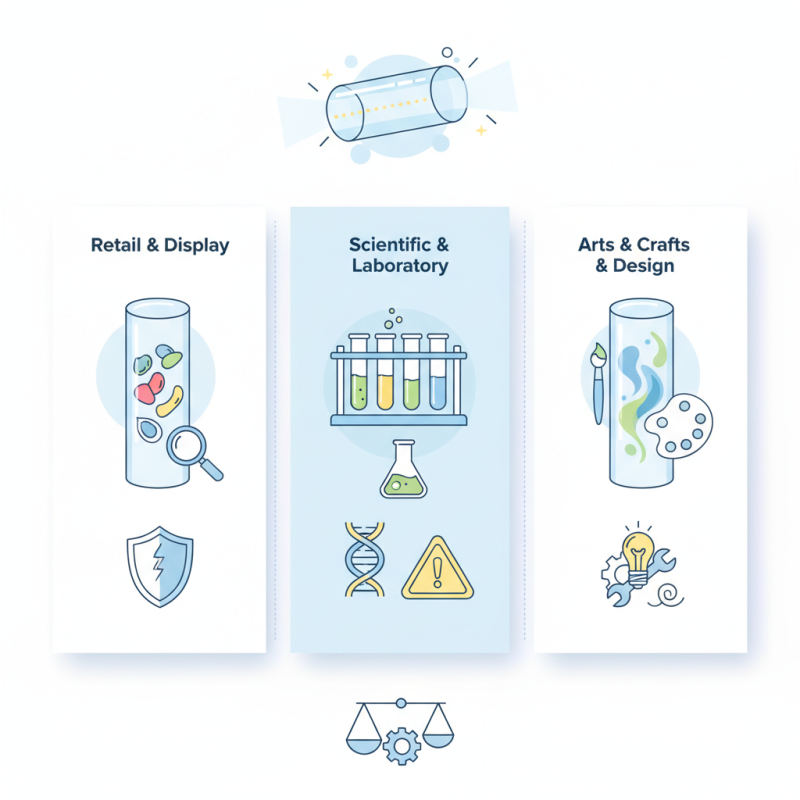
A plexiglass tube is a versatile material used across various industries. According to Dr. Emily Thornton, an expert in polymer science, "Plexiglass tubes offer both durability and clarity." These tubes are widely utilized in display cases, scientific experiments, and even aquariums. Their lightweight nature makes them easy to handle, but their fragility can be a concern.
In retail, plexiglass tubes enhance product visibility. They protect items while allowing shoppers to view them easily. However, one must consider the potential for scratching. In laboratories, these tubes are essential for experiments, providing a safe environment for reactions. Yet, the risk of chemical interaction should not be ignored.
Plexiglass tubes serve both functional and aesthetic purposes. They are favored in arts and crafts, offering unique design possibilities. But creativity can sometimes lead to impractical uses. Balancing innovation with practicality is key in the plexiglass tube industry.
What is Plexiglass and How is it Different from Glass?
Plexiglass is a type of acrylic material often used as a substitute for glass. Unlike traditional glass, Plexiglass is lighter and more impact-resistant. It’s also more flexible, which allows it to be shaped easily. These qualities make it suitable for various applications, including signage, display cases, and safety shields.
One notable feature of Plexiglass is its clarity. It can be produced in various thicknesses and is less likely to shatter. However, it can scratch more easily than glass. This difference often leads to a debate: Is Plexiglass really better? In some cases, it is. However, in others, the scratches can be an issue that demands attention.
The versatility of Plexiglass does not negate its imperfections. Over time, exposure to sunlight may cause it to yellow. This can affect visual appeal. Choosing Plexiglass means weighing the benefits against such potential drawbacks. It serves well in many applications, but understanding its limitations is essential. Users often find themselves questioning whether it meets their long-term needs.
Overview of Plexiglass Tube: Definition and Characteristics
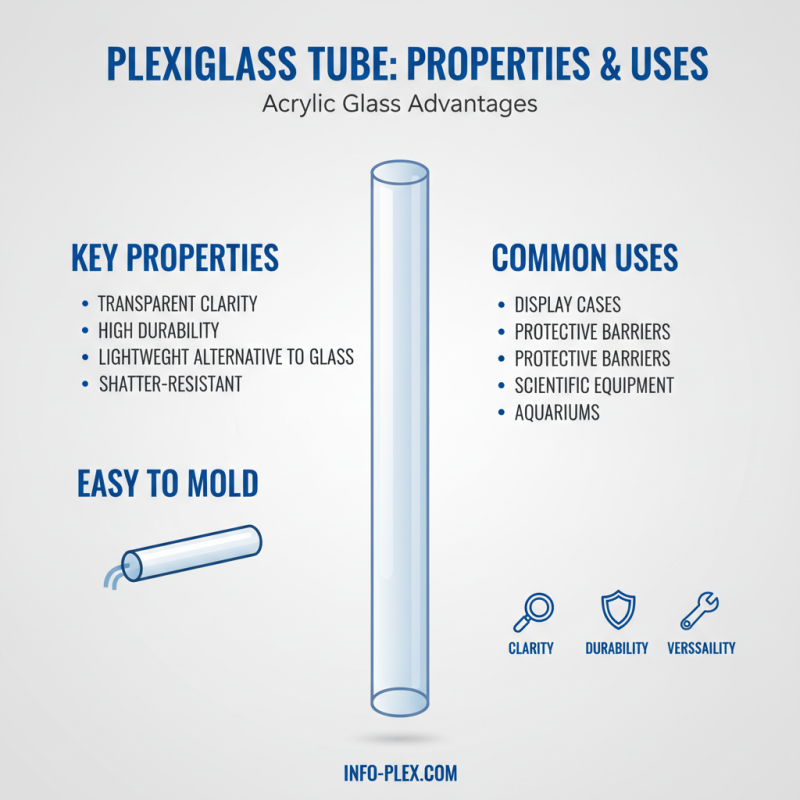
A plexiglass tube is a transparent cylindrical structure made from acrylic. Its clarity and durability are noteworthy. Plexiglass, also known as acrylic glass, offers a lightweight alternative to glass. It is shatter-resistant and can be easily molded. These features make plexiglass ideal for various applications, from display cases to protective barriers.
When using plexiglass tubes, consider their thickness. Thicker tubes provide better strength and stability. However, thinner tubes are more flexible and easier to handle. Think about your project needs. If you require transparency, plexiglass excels in this area without compromising on sturdiness. This material is also resistant to UV light, making it suitable for outdoor use.
Tips: Always wear protective gear when cutting or shaping plexiglass. The edges can be sharp. Remember to keep your workspace clean to avoid accidents. If your project demands precision, marking the cutting lines can help. Seek advice from professionals if you're uncertain about your designs. It may save time and reduce frustration. Always be open to adjustments based on practical results.
Common Applications of Plexiglass Tubes in Various Industries
Plexiglass tubes are increasingly popular due to their versatility in various industries. These transparent tubes offer benefits like durability, lightweight, and clarity. According to a recent market report, the demand for acrylic materials, including Plexiglass, is projected to grow by over 5% annually through 2028. This trend highlights their significance in sectors like construction, medical, and design.
In the construction industry, Plexiglass tubes serve multiple purposes. They are often used in safety barriers and protective shields. Architects favor these tubes for aesthetic elements in buildings. Interestingly, while they provide clear visibility, the installation process can be tricky. It requires precision to avoid imperfections or stress points.
The medical field also heavily relies on Plexiglass tubes. They are essential in creating Enclosures for laboratory environments. With a need for sterile settings, these tubes help in minimizing contamination. However, it's worth noting that their longevity can be affected by UV exposure, which may lead to degradation over time. Regular assessments are necessary to ensure safety standards are met.
What is a Plexiglass Tube and What are its Uses?
| Industry |
Common Applications |
Benefits |
| Manufacturing |
Protective covers, Machine guards |
Safety, Durability |
| Construction |
Window glazing, Architectural elements |
Lightweight, Insulating |
| Healthcare |
Protective barriers, Equipment covers |
Hygienic, Easy to clean |
| Signs and Displays |
Display boxes, LED light diffusers |
Clarity, Weather resistance |
| Aerospace |
Canopy covers, Instrument panels |
Lightweight, High strength |
Benefits of Using Plexiglass Tubes Over Traditional Materials
Plexiglass tubes are gaining popularity for various applications, and their benefits are clear. These tubes offer excellent clarity, allowing unimpeded visibility of the contents inside. This is particularly useful in display settings. They are lightweight yet strong, providing an alternative to heavy glass tubes. Their impact resistance is remarkable, which reduces the risk of breakage.
Using Plexiglass over traditional materials can also be more cost-effective. The manufacturing process is often simpler, leading to lower production costs. However, some may find them less durable under extreme conditions. They can be scratched more easily than glass, and that requires extra care. It’s important to consider both the advantages and potential limitations when selecting materials for specific projects.
The versatility of Plexiglass tubes opens doors to creative uses. From decorative displays to functional tools, their applications are broad. A well-designed Plexiglass tube can enhance both aesthetic and practical elements. Still, it's vital to evaluate individual requirements to avoid any compromises. Balancing functionality and durability is key in decision-making.
Benefits of Using Plexiglass Tubes Over Traditional Materials
Maintenance and Care Tips for Plexiglass Tubes
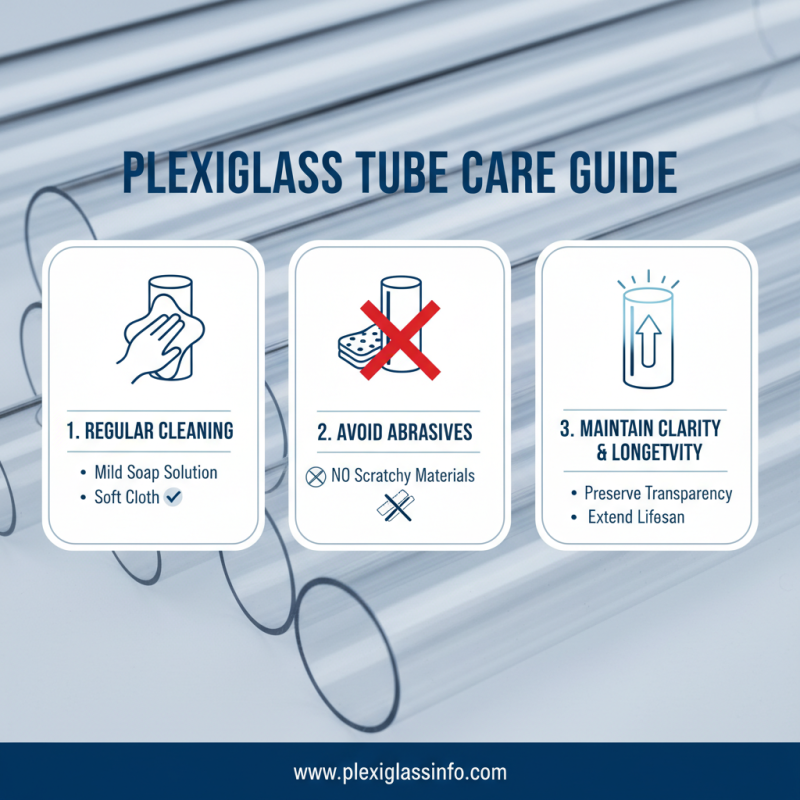
Plexiglass tubes are popular for many applications. They need care to maintain their clarity and longevity. Proper maintenance begins with regular cleaning. Use a mild soap solution and a soft cloth for the best results. Avoid using abrasive materials that can scratch the surface.
Storage is also crucial. Keep the tubes in a cool, dry place to prevent warping. Avoid direct sunlight, which can cause discoloration over time. If a tube becomes cloudy, it might require polishing. Use a plastic polish specifically formulated for acrylic materials.
Inspect your tubes regularly for cracks or damage. This is essential for safety, especially if they are used in a functional setting. Sometimes, tubes don't age gracefully, and you may need to replace them. It's okay to reflect on this process; not every piece lasts forever. Embrace the learning curve and enjoy the beauty of a well-maintained plexiglass tube.