What is Holographic Tubes and How Can They Transform Industries?
Holographic Tubes are redefining how various industries operate. These innovative tools utilize advanced holographic technology to create immersive experiences. According to a recent Global Market Insights report, the holographic technology market is expected to surpass $45 billion by 2026. This growth reflects the increasing demand across sectors like healthcare, entertainment, and education.
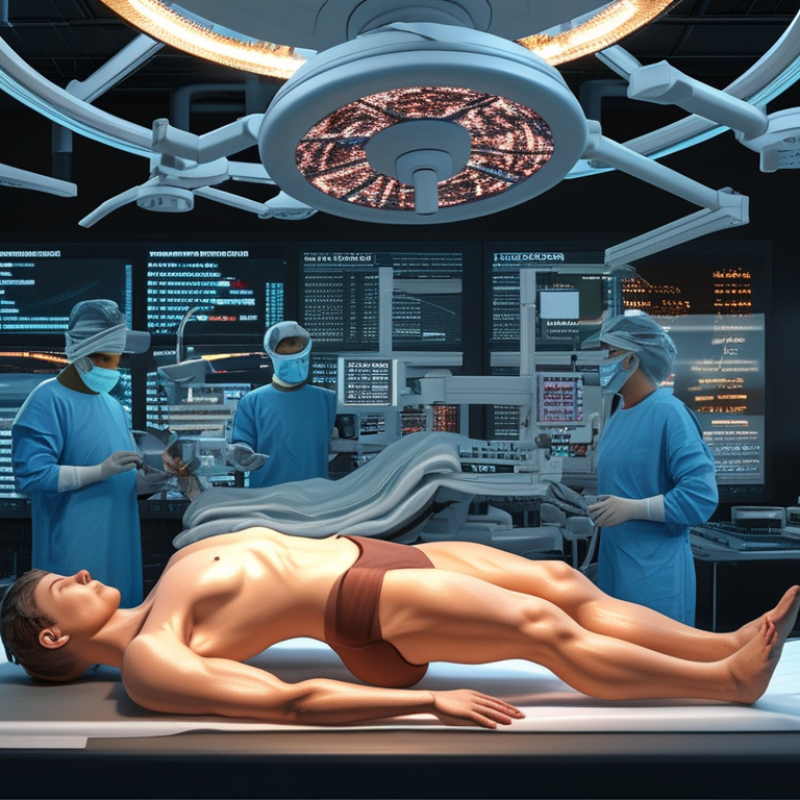
In the healthcare sector, Holographic Tubes are transforming surgical procedures. Surgeons can visualize complex anatomical structures in real-time. This reduces risks and improves patient outcomes. Meanwhile, in the entertainment industry, Holographic Tubes enhance interactive experiences. For example, concerts featuring holographic performances are gaining popularity. However, not all experiences meet expectations. Some presentations lack clarity and engagement.
Adoption challenges exist. High costs and the need for specialized training are barriers for many companies. Yet, the potential for Holographic Tubes to bridge gaps in communication and understanding is compelling. As industries recognize their value, innovation will continue to flourish. Holographic Tubes are not just a novelty; they represent a pivotal shift in how we interact with information and each other.
What are Holographic Tubes?
Holographic tubes are an innovative technology that can change various industries. They create three-dimensional images using light diffraction. This technology can revolutionize fields like education, entertainment, and healthcare. With holographic tubes, complex concepts can be visualized, making learning more engaging. Imagine a classroom where anatomy is taught through 3D holograms. Students can explore the human body in a more interactive way.
In healthcare, holographic tubes offer new possibilities. Medical professionals can visualize patient data in real time during surgery. This could improve accuracy and outcomes. The use of 3D visuals may reduce reliance on traditional imaging, thus speeding up diagnostics. However, challenges remain. The technology is still developing, and costs may deter widespread adoption.
When using holographic tubes, focus on user experience. Ensure that the visuals are clear and understandable. Feedback from users can guide enhancements. It’s essential to keep refining the technology based on real-world applications. This iterative approach can lead to breakthroughs that benefit society as a whole. Exploring holographic tubes is a step toward the future.
The Technology Behind Holographic Tubes
Holographic tubes represent a cutting-edge technology that merges physics and innovation. These tubes create three-dimensional images by manipulating light. The principle is based on interference, diffraction, and light wave manipulation. As the technology continues to evolve, industries from medical to entertainment are beginning to embrace its potential.
In healthcare, holographic tubes can visualize organs and tissues in real time. Surgeons can plan procedures with enhanced clarity. This can lead to increased accuracy and reduced risks. It may change how we diagnose and treat diseases. The immersive experience can improve patient education too.
Tips: Always consider the learning curve. Holographic technology may require specialized training. Engage with professionals from different sectors. Sharing insights can aid in overcoming challenges. Adaptation will take time, but the potential rewards are significant.
In retail, holographic displays can change how customers shop. Imagine trying on clothes or accessories without physical samples. It could enhance the shopping experience drastically. However, the cost and integration into existing systems are hurdles to overcome. Thoughtful planning is key to successful implementation.
Applications of Holographic Tubes in Various Industries
Holographic tubes are emerging as transformative tools in various industries. Their unique ability to create 3D images with depth has attracted attention in sectors such as healthcare, architecture, and marketing. According to industry reports, the holography market is projected to reach $4.06 billion by 2025, highlighting its growing significance.
In healthcare, holographic tubes are utilized for advanced imaging. Surgeons can visualize complex organs in three dimensions, improving surgical accuracy. A recent study indicated that the use of holographic imaging can reduce operation time by nearly 30%. In education, these tubes help students understand complex concepts through interactive models, enhancing engagement.
In marketing, brands leverage holographic displays to create immersive experiences. Reports suggest that interactive holograms can increase customer retention by up to 48%. Retailers have begun implementing these displays to showcase products in dynamic ways, drawing in customers.
Holographic technology does come with challenges. Creating high-quality images requires specialized equipment and expertise. This can pose a barrier for smaller businesses. It's essential to consider the cost versus potential return on investment. Developing a strategy for gradual implementation may be beneficial for those considering adopting this technology.
Benefits and Challenges of Implementing Holographic Tubes
Holographic tubes are evolving as a revolutionary technology with potential applications in various industries. These tubes project three-dimensional images that can enhance communication and collaboration. The benefits include improved visualization in fields like medicine and design. For instance, doctors can visualize organs in real time during surgeries. This clarity can lead to better-informed decisions.
However, implementing holographic tubes is not without challenges. The initial investment can be high for businesses. Companies often face a steep learning curve when integrating new technology into existing systems. Moreover, there's the issue of content creation, as creating holographic visuals requires specialized skills. Many businesses may struggle to find qualified personnel to work with this technology.
Despite these hurdles, the potential to change the way industries operate is immense. Organizations must consider the return on investment versus the cost of integration. Balancing the immediate challenges with long-term benefits is crucial. As the technology matures, it is likely that these barriers will lessen, making adoption more feasible for a wider range of industries.
What is Holographic Tubes and How Can They Transform Industries? - Benefits and Challenges of Implementing Holographic Tubes
| Dimension | Description | Impact |
| Visualization | Holographic tubes provide 3D visualization of data. | Improved data comprehension and decision making. |
| Training | Used in training simulations for complex tasks. | Enhanced learning experiences and skill retention. |
| Marketing | Interactive advertising and product demonstrations. | Increased customer engagement and interest. |
| Remote Collaboration | Facilitates remote team interactions using holograms. | Overcomes geographic barriers in teamwork. |
| Cost | Initial setup and maintenance expenses can be high. | May limit adoption for smaller companies. |
| Technological Challenges | Requires advanced hardware and software integration. | Ongoing updates needed to stay compatible. |
Future Trends and Innovations in Holographic Tube Technology
Holographic tube technology is emerging as a revolutionary force across various industries. Its ability to create immersive, three-dimensional visuals is not just captivating; it can redefine how we interact with data. The healthcare sector, for instance, is exploring ways to visualize complex medical data. This can lead to better understanding during surgeries and enhance patient education.
As innovation continues, we might see holographic tubes in education. Imagine classrooms where students can study anatomy through lifelike 3D models. Learning becomes interactive and engaging. Companies are also considering holographic displays for advertising. They provide a fresh approach to capture consumer attention. However, challenges remain regarding cost and accessibility.
Tips for integrating holographic tubes into operations include starting small. Test applications in focused areas before wider implementation. Understanding user experience is vital. Regular feedback helps refine the technology. Staying updated with trends can also provide insights into improving usage. The potential of holographic tubes is immense, yet each industry must navigate its unique hurdles carefully.

